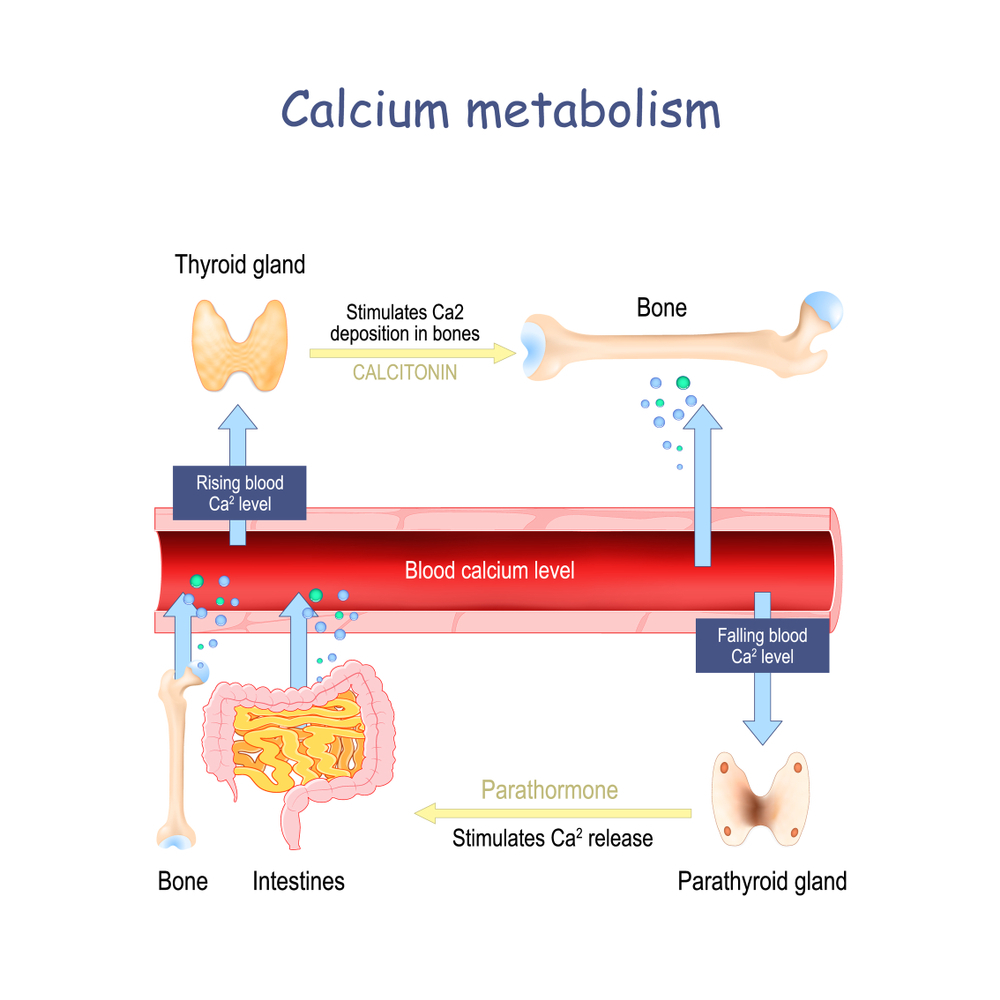
Role of Calcium: Calcium is a vital mineral that plays several key roles in the body, including bone formation, muscle contraction, nerve function, blood clotting, and cell signaling.
Absorption: Calcium absorption primarily occurs in the small intestine, especially in the duodenum and jejunum. Vitamin D plays a crucial role in enhancing calcium absorption by promoting the synthesis of calcium-binding proteins.
Regulation: Calcium levels in the blood are tightly regulated to maintain homeostasis. The parathyroid hormone (PTH) and calcitonin are key regulators. PTH increases calcium levels by stimulating bone resorption, enhancing intestinal calcium absorption, and promoting renal calcium reabsorption. Calcitonin, produced by the thyroid gland, helps reduce blood calcium levels by inhibiting bone resorption.
Bone Health: Approximately 99% of the body's calcium is stored in bones and teeth, providing structural support and strength. Adequate calcium intake, along with vitamin D and other nutrients, is essential for maintaining bone density and preventing conditions like osteoporosis.
Excretion: Calcium is excreted primarily through the kidneys, with regulated reabsorption occurring in the renal tubules. Factors such as dietary intake, hormonal balance, and kidney function influence calcium excretion rates.
Dietary Sources: Dairy products like milk, cheese, and yogurt are rich sources of calcium. Other sources include leafy greens (e.g., spinach, kale), fortified foods (e.g., cereals, juices), nuts, seeds, and certain fish (e.g., salmon, sardines with bones).
Calcium Disorders: Imbalances in calcium metabolism can lead to disorders such as hypercalcemia (high blood calcium levels) or hypocalcemia (low blood calcium levels). These conditions can have various causes, including hormonal abnormalities, vitamin deficiencies, kidney dysfunction, or certain medications.
Supplementation: In cases where dietary intake is insufficient or conditions require additional calcium, supplementation may be recommended. However, calcium supplements should be taken under medical guidance to avoid potential side effects and interactions.
Lifestyle Factors: Maintaining a healthy lifestyle with adequate physical activity, balanced nutrition, and sun exposure (for vitamin D synthesis) is crucial for optimal calcium metabolism and overall bone health.
Medical Monitoring: Individuals with conditions affecting calcium metabolism, such as thyroid disorders, kidney disease, or malabsorption syndromes, should undergo regular medical monitoring and follow personalized treatment plans to manage calcium levels effectively.
copyright © 2025, All rights reserved |Dr. Mahveer Singh